GET 10% OFF ON ORDERS OF $500+ PROMO CODE: WEB-10

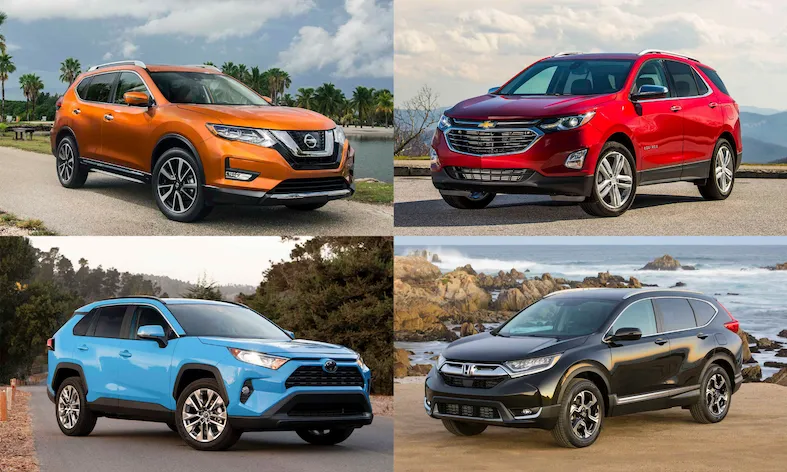
SUVs are everywhere in Canada. Honda CR-V, Toyota RAV4, Mazda CX-5, Hyundai Tucson, Volkswagen Tiguan, Subaru Forester, Nissan Rogue, Kia Sportage, Audi Q5 — these vehicles have won over Canadian drivers because they offer the best of both worlds: the agility of a compact car and the safety of a higher, more stable vehicle.
But versatility comes at a price. Their weight, all-wheel drive systems, and higher center of gravity demand winter tires that can handle more stress than a standard car tire. The wrong tire means longer braking distances, less precise steering, and reduced traction on slush and snow.
Here are five winter tires that stand out this season for compact SUVs — tested, reliable, and ready for the toughest Canadian storms.

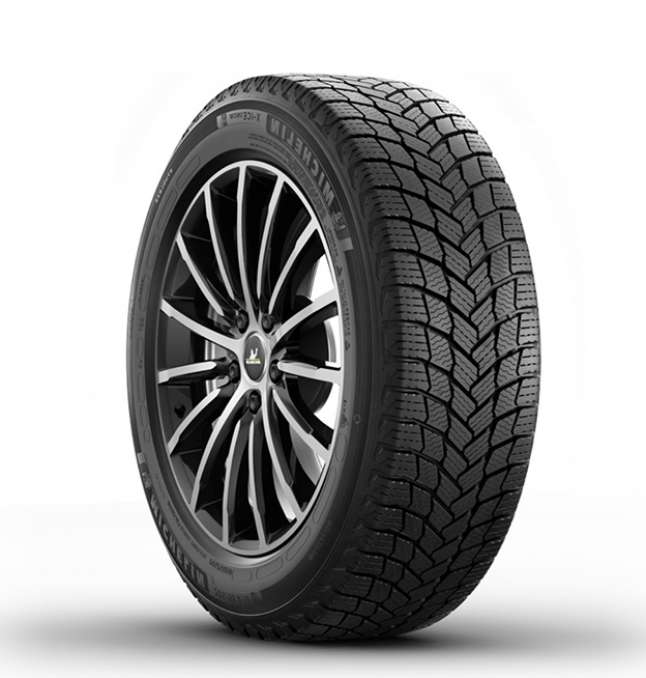
The Michelin X-Ice Snow SUV is one of the most trusted winter tires for compact SUVs. Its flexible compound maintains outstanding grip even at -30°C, while its directional tread efficiently clears slush. On a CR-V or RAV4, it provides top-tier stability and comfort, even on long highway drives.
In short: Exceptional ice grip, premium comfort, long-lasting performance.

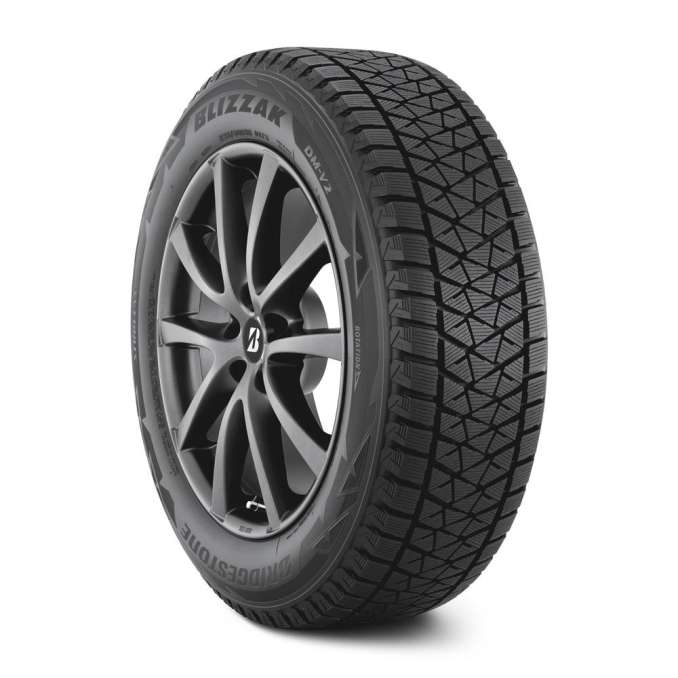
A long-standing favorite, the Blizzak DM-V2 delivers excellent traction and control. Its multi-cell compound bites into ice, while wide grooves ensure stability and grip even on melting snow. Ideal for Tiguan, CX-5, or Rogue drivers who value safety and responsiveness.
In short: Maximum traction, short braking, confident handling.

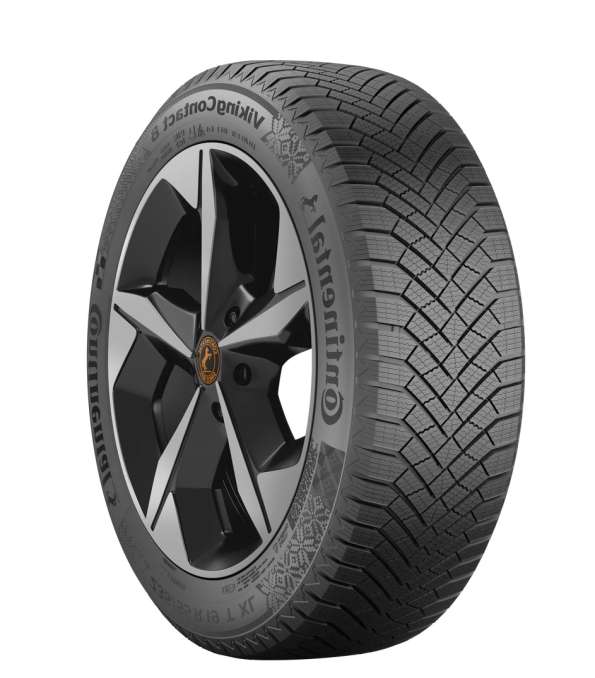
The VikingContact 8 builds on Continental’s reputation with improved ice traction and reduced dry-road wear. On a Tucson, Forester, or Q5, it delivers precise cornering and lateral stability even during sudden maneuvers.
In short: Excellent grip on slush, smooth wear, stable ride.

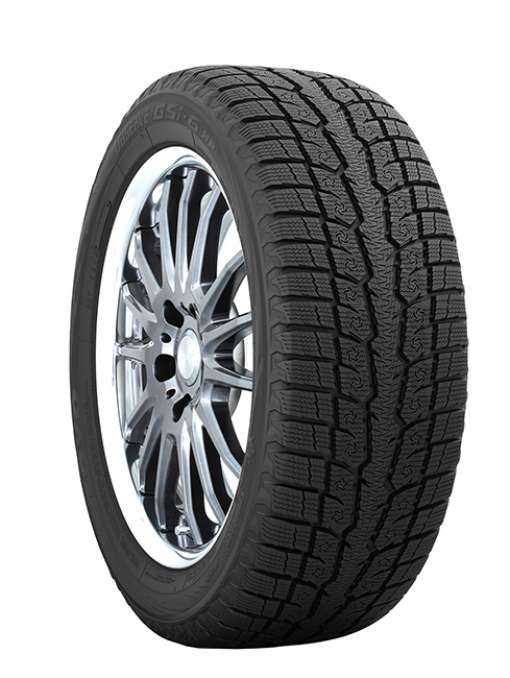
The Toyo Observe GSI-6 HP is designed for SUV drivers who cover long distances. Its directional tread enhances slush evacuation, while the high-silica compound remains flexible in freezing conditions. On a CX-5, Sportage, or Outlander, it provides a quiet, confident ride.
In short: Stable handling, quiet comfort, impressive durability.

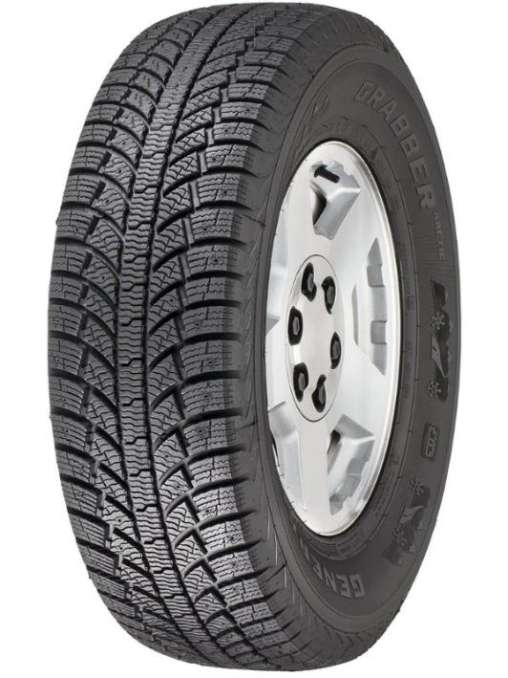
The General Grabber Arctic is made for extreme conditions. With deep, aggressive tread blocks that bite into snow, it’s perfect for less-maintained roads. It can also be studded, making it ideal for rural or northern regions.
In short: Great traction, strong snow performance, competitive price.
Winter tires for compact SUVs and crossovers need to balance stability, traction, and comfort. Whether you drive a Honda CR-V, Toyota RAV4, Mazda CX-5, Hyundai Tucson, Kia Sportage, Nissan Rogue, Volkswagen Tiguan, Subaru Forester, or Audi Q5, these five models represent the best winter tires for Canadian SUVs.
The Michelin X-Ice Snow SUV focuses on comfort and longevity, the Bridgestone Blizzak DM-V2 on traction, the Continental VikingContact 8 on precision, the Toyo Observe GSI-6 HP on versatility, and the General Grabber Arctic on rugged durability. Five approaches, one goal: maintaining control when the road turns icy.
Visit 4Tires.ca to compare models and find the perfect winter tires for your SUV — easy, fast, and delivered straight to your door.
Updated March 9, 2026
BF GOODRICH
BRIDGESTONE
CONTINENTAL
FIRESTONE
GENERAL
GOOD YEAR
MAZZINI
SAILUN
YOKOHAMA
