GET 10% OFF ON ORDERS OF $500+ PROMO CODE: WEB-10

The harsh Quebec winter puts any tire to the test: ice, heavy snow, and rapidly changing temperatures. Choosing the right winter tire can make all the difference between confident driving and a sudden loss of control. Here, we compare five popular models (X-Ice Snow+, Blizzak IcePeak, IceContact XTRM, VikingContact 8, and Ice Friction), drawing from third-party tests (ADAC, TCS, Tire Rack, Protégez-Vous) and manufacturer specifications to help you find the tire best suited to your vehicle and driving style.
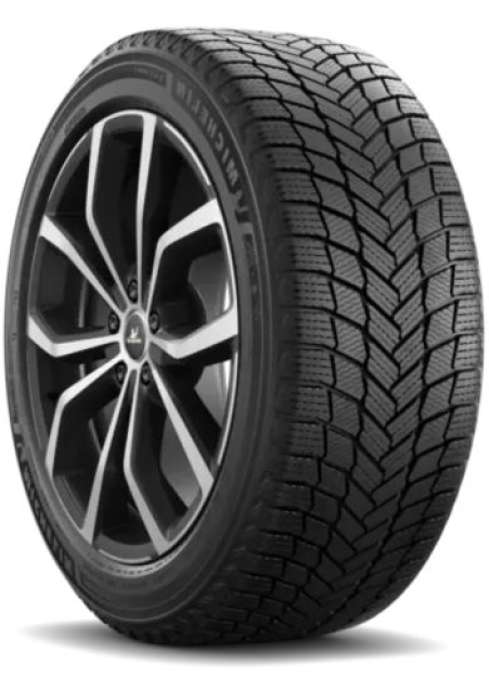
The Michelin X-Ice Snow+ is a next-generation winter tire designed for cars, SUVs, pickup trucks, and electric vehicles. Its FLEX-ICE™ 3.0 compound provides effective braking and consistent grip on ice, snow, slush, and cold, wet roads.
Its full-depth sipes and V-shaped grooves improve traction while efficiently evacuating water and slush. Ice Grip certified, this model also stands out for its durability, low road noise, and energy efficiency.
Strengths: Superior winter grip, extended durability, and improved energy efficiency.
Weaknesses: Generally more expensive than entry-level winter tires.
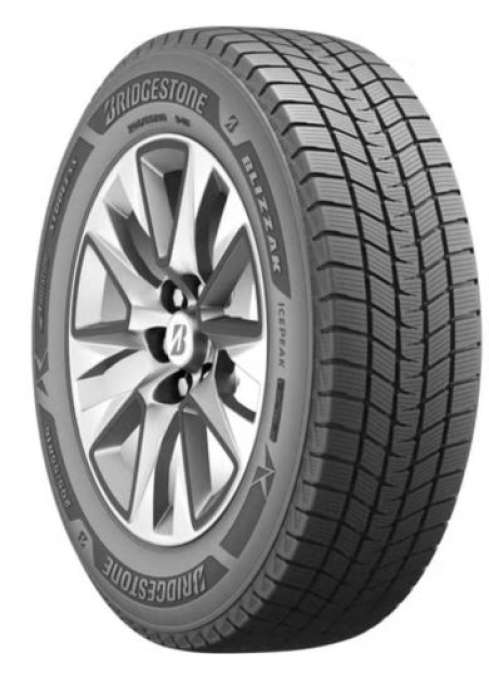
The Bridgestone Blizzak IcePeak is a premium winter tire designed for cars, SUVs, pickup trucks, and electric vehicles. Its advanced MultiCell™ technology helps remove the thin layer of water covering icy roads, providing effective braking and reliable grip on ice and snow.
Its full-depth 3D sipes and optimized tread design improve traction, stability, and vehicle control. Ice Grip certified, this model also features ENLITEN™ technology to promote longer tread life and improved energy efficiency.
Strengths: Outstanding ice grip, lasting winter performance, and optimized efficiency.
Weaknesses: Premium positioning and potentially higher price.
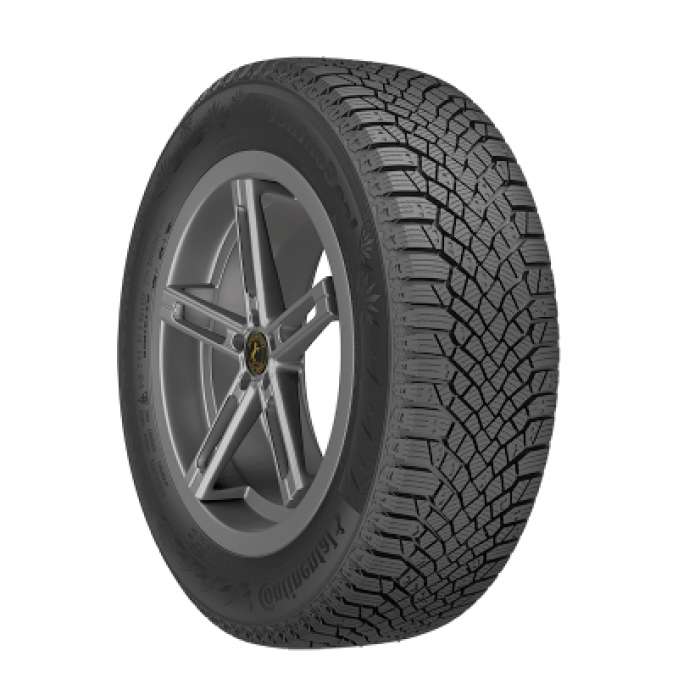
Engineered for extreme winter conditions, the IceContact XTRM delivers exceptional traction at very low temperatures, making it ideal for icy Canadian roads.
Strengths: Maximum traction on ice.
Weaknesses: Louder and stiffer on wet pavement.
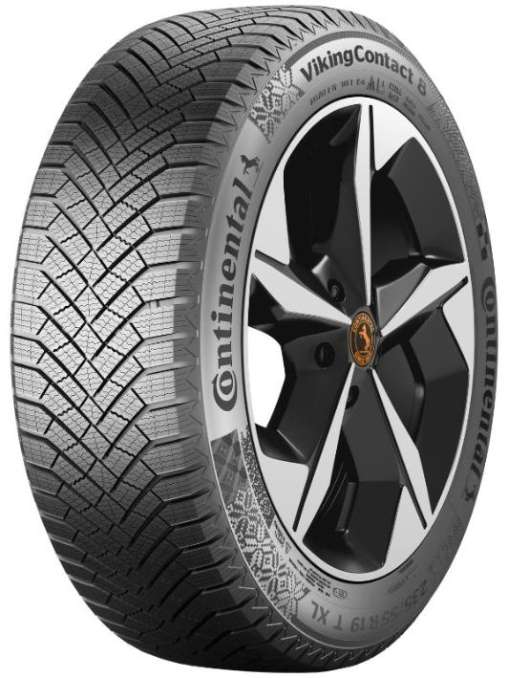
The VikingContact 8 offers a strong balance of winter traction and wet-road stability thanks to its PolarisPlus+ technology.
Strengths: Versatile, stable, and predictable handling.
Weaknesses: Less aggressive on pure ice than the top performers.
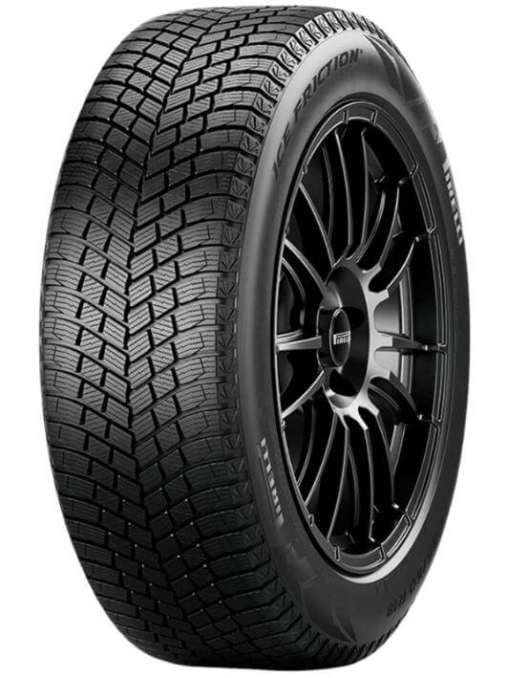
The Ice Friction offers a balanced mix of comfort and performance. With its PNCS noise-reducing technology, it remains quiet while maintaining reliable winter traction.
Strengths: Quiet, comfortable, and well-balanced.
Weaknesses: Less detailed technical data than its leading competitors.
| Driving Scenario | Recommended Tires |
| Frequent icy roads, maximum traction | IceContact XTRM, X-Ice Snow+ |
| Mixed conditions: slush, snow, and occasional ice | VikingContact 8, X-Ice Snow+ |
| Braking priority and short stopping distances | Blizzak IcePeak, X-Ice Snow+ |
| Comfort and city driving with light snow | Ice Friction, VikingContact 8 |
For winter 2026, there is no single “best” tire. The right choice depends on your vehicle, driving habits, and the conditions you face most often.
By combining test results from ADAC, TCS, and Tire Rack with manufacturer innovations and real Quebec winter conditions, our selection can help you find the tire that best meets your needs.
To compare prices and view the full selection, visit 4tires.ca.
Updated July 29, 2026
BF GOODRICH
BRIDGESTONE
CONTINENTAL
FIRESTONE
GOOD YEAR
MAZZINI
SAILUN
YOKOHAMA