GET 10% OFF ON ORDERS OF $500+ PROMO CODE: WEB-10

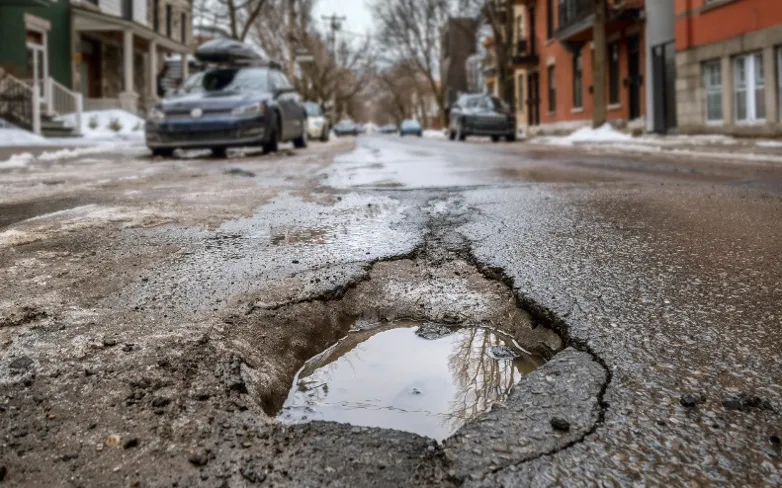
With the arrival of spring, roads across Canada often look like a battlefield. After months of freezing, thawing, snow and road salt, asphalt starts to give way, revealing countless potholes. Often hidden under water or slush, these holes are far from harmless and can quickly cause damage to your vehicle if you are not paying close attention.
Here are four practical tips to help limit the damage and protect your vehicle on deteriorated roads.
Speed remains the biggest aggravating factor when road surfaces are damaged. According to safe driving principles highlighted by transportation authorities, it is not the drop into the hole that causes the most damage, but the sudden exit.
A water-filled pothole is nearly impossible to spot and can be much deeper than it appears.
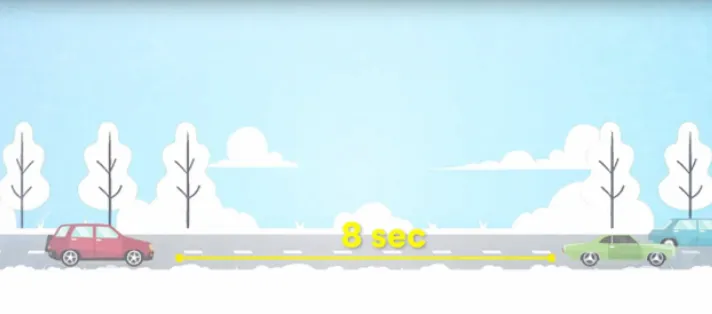
Maintaining a safe following distance becomes even more critical on wet or icy roads. As traction decreases, reaction time increases and tires struggle to absorb impacts. It is recommended to leave at least eight to ten seconds or more between your vehicle and the one ahead.
A sharp steering input to dodge a pothole can sometimes create more risk than the impact itself, especially on icy or snow-covered pavement.
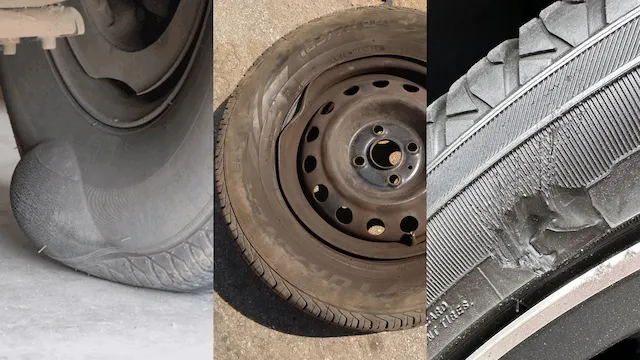
Despite all precautions, some potholes are simply unavoidable. After an impact, it is recommended to inspect your vehicle as soon as possible.
These warning signs should not be ignored. A damaged tire can quickly become dangerous and should be replaced without delay.
Potholes are unfortunately part of spring driving conditions across Canada. By adopting a preventive driving approach, anticipating hazards and staying attentive to road conditions, drivers can reduce their impact and avoid repairs that can quickly become expensive.
And if an unexpected situation does occur, such as a flat tire, 4tires.ca makes it easy to purchase a replacement tire at a competitive price, delivered directly to your door, simply and without hassle.

BF GOODRICH
BRIDGESTONE
CONTINENTAL
FIRESTONE
GOOD YEAR
MAZZINI
SAILUN
YOKOHAMA
